

Let’s remember tariffs

Welcome to the WC.
We’re back in action after a restful (ha!) holiday period.
Today, we’re revisiting a hot topic from 2025 that everyone seems to have forgotten about or simply accepted.
Let’s go
Remember tariffs? The super dull topic was all anyone could talk about in the spring of 2025, but today, they get barely a mention.
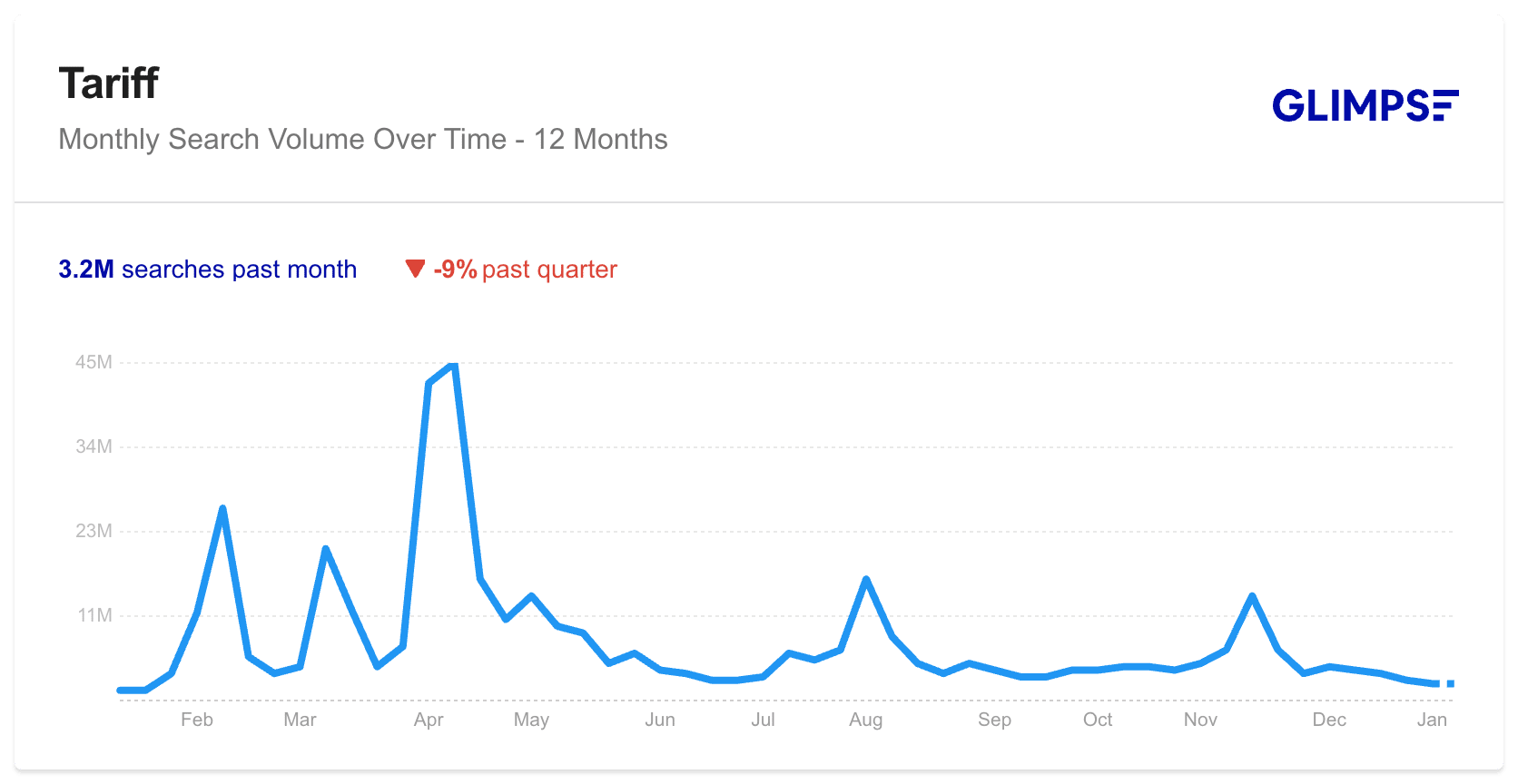
As far as anyone’s talking about them anymore, it’s really only within the beltway. The rest of America’s memory-holed the topic.
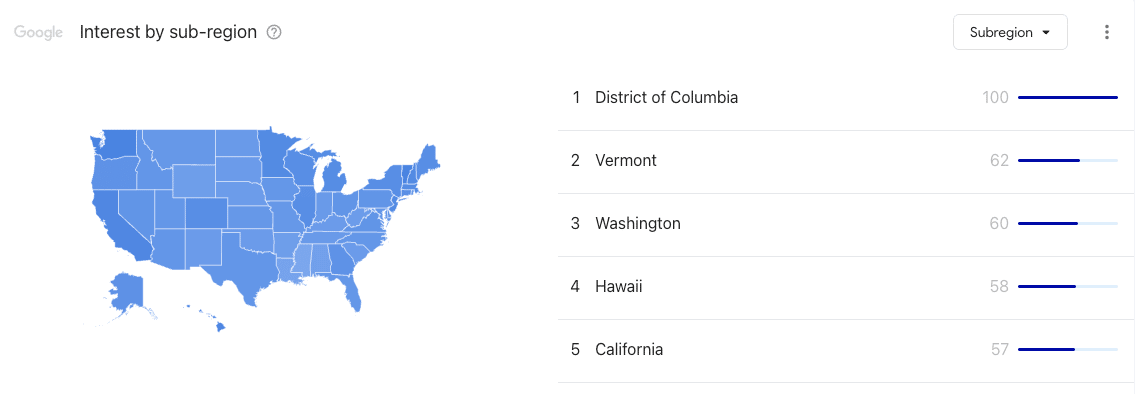
For everyone else, it’s easy to watch the shiny thing (exploding in Caracas) and ignore what’s real, what’s important, and what’s impacting your portfolio.
So while the topic’s left the public discourse, the levies’ implications remain very real.
As we slide into 2026, let’s dig into their impact on the economy and your portfolio and think through a few ideas to make the best of them.
Here’s the thing about the attention economy: Caracas explosions get clicks. Is your grocery bill getting 20% more expensive? That’s just boring Tuesday stuff.
We went from tariff hysteria being the dinner party obsession of Spring 2025 to complete silence. Meanwhile, the effective tariff rate jumped from 2.5% to over 20%. Not theoretical. Not “coming soon.” It’s here.
Wall Street coined the acronym TACO (“Trump Always Chickens Out”), betting that every tough talk gets walked back when stocks drop 3%. But the Supreme Court is hearing challenges to the President’s use of emergency powers for trade policy this Friday. If they rule against the administration, we’re looking at chaos as businesses try to recoup months of absorbed costs.
So while everyone’s watching geopolitical fireworks (is Cuba next?!), the real story is happening in supply chains.
The numbers are brutal.
“Liberation Day” (April 15, 2025) turned trade policy into your personal economic reality. Corporate stockpile buffers that cushioned the blow for eight months? Gone. Companies can’t absorb 10-20% cost increases forever.
The average American household is effectively paying $2,000 to $4,000 extra per year. It’s a consumption tax that nobody voted for directly.
Inflation got a second wind: 0.5% in 2025, with another 0.3% coming in early 2026.
Trade wars are inflationary. Obviously.
The real action isn’t where you think.
Everyone talks about steel companies like Nucor having pricing power again—domestic steel hit $950 per ton.
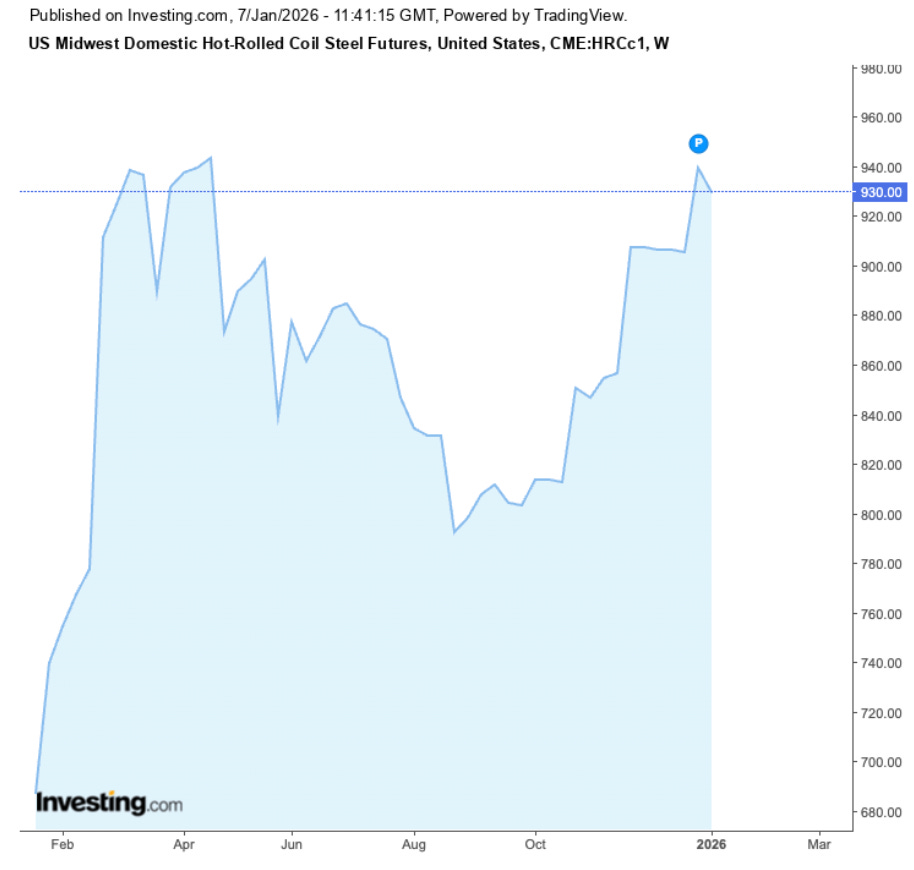
But that’s just the opening act.
The main event is automation. When importing cheap goods is banned, and American labor stays expensive, there’s only one solution: automate everything. Companies are buying industrial robots at a record pace. SoftBank and US AI firms are seeing massive investment as manufacturers try to survive volatile trade costs.
This isn’t just about protection. It’s about the permanent shift from cheap imports to expensive automation.
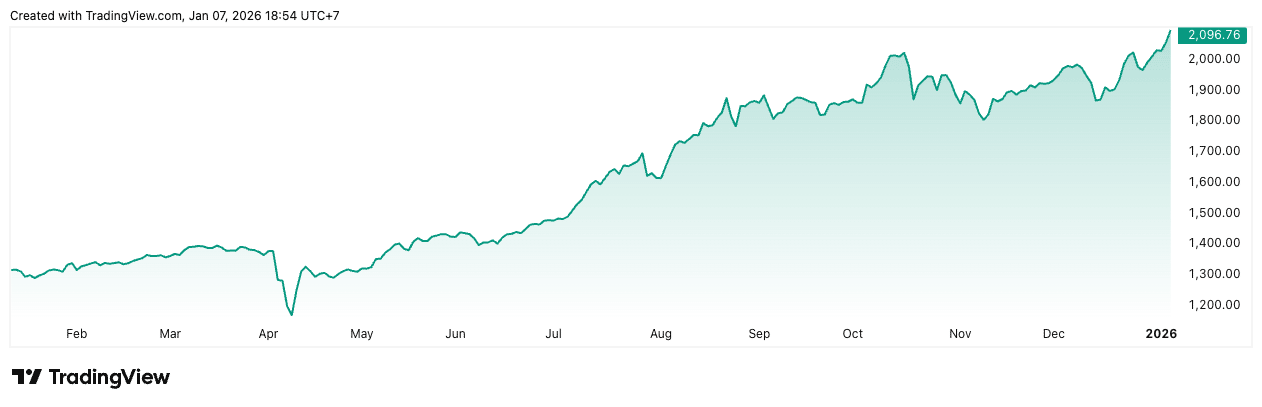
The real tariff winner is the U.S. Treasury, collecting billions while everyone argues about jobs. Gold saw this coming with a 60% surge in 2025.
But there’s not enough discourse around connector countries. Vietnam, India, and Morocco are becoming manufacturing middlemen. Can’t buy from China? Buy from Vietnamese factories that source from China and slap a “Made in Vietnam” sticker on it. These countries are seeing massive foreign investment.
The casualties are piling up.
American farmers are getting hit twice: expensive inputs (tractors made with tariffed steel) AND lost export markets (retaliatory tariffs). The USDA had to launch a $12 billion “Farmer Bridge” bailout program.
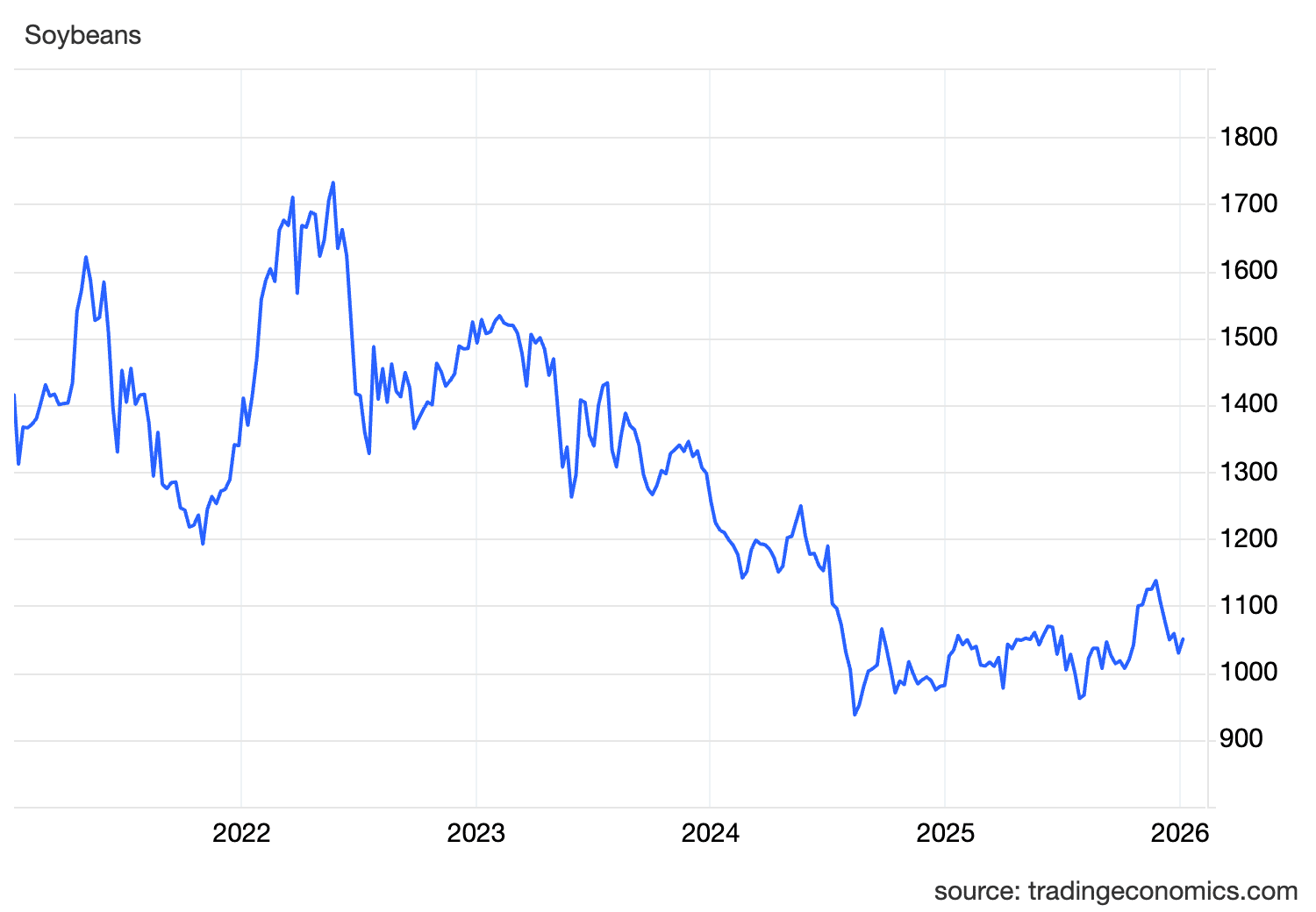
Small import/export businesses are dying. No capital to build factories in Ohio, no political clout to get exemptions in Washington. The administration closed the de minimis loophole (packages under $800 entering duty-free), which makes importing raw goods extremely painful for small producers.
And middle-class purchasing power is getting crushed. We had 30 years of cheap TVs, clothes, and toys. While consumer slop is still relatively much cheaper in 2026 than it was 25 years ago, yesterday’s $500 TV becomes a $700 TV and stays there. Wealthy people can absorb a $50 increase on a microwave. For working families, these costs are eating into savings.
These prices can’t come down anytime soon; you can’t “reshore” an iPhone supply chain in two years; it takes a decade. Apple faces a brutal choice: eat massive manufacturing costs or pass them to consumers.
So what might happen?
Scenario 1: Supreme Court Strikes Down (10% probability) Chaos. Violent market volatility as supply chains readjust. Companies try to recoup months of absorbed costs.
Scenario 2: Status Quo Continues (60% probability) The new normal. 3-4% goods inflation becomes permanent. Economy accepts higher baseline costs.
Scenario 3: Full Fortress America (30% probability) Just-in-Time dies, Just-in-Case is born. Massive inventory builds, redundant domestic factories. The US economy becomes safer but permanently more expensive.
How can you position your portfolio for this?
Play Defense
Farmland is the ultimate play. People need food, domestic production becomes premium, and you get paid through rising rents.
Industrial real estate works similarly; reshoring creates massive demand for warehouses and factories.
Precious metals are the classic hedge against monetary policy getting weaponized. Not saying go full gold bug, but 5-10% allocation might make sense.
Go on Offense
Automation and AI startups aren’t just tech investments – they’re survival tools for manufacturers. Private equity gives you longer-term exposure to protected domestic manufacturing without daily market noise.
International exposure focused on connector countries. Vietnam and India funds are capturing manufacturing arbitrage while everyone else focuses on US-only strategies.
Tangible assets like wine, watches, and art give you stores of value with global demand, independent of US trade policy. If you’re diversifying away from paper assets, might as well do it with something you can enjoy.
Let’s wrap up with a trailer for a fantastic film that I’m presenting to you for no particular reason.
Wyatt