

🚂 Let's ride the Tequila Express
This is seriously cool shit.

All aboard the Bourbon Trail Tequila Express
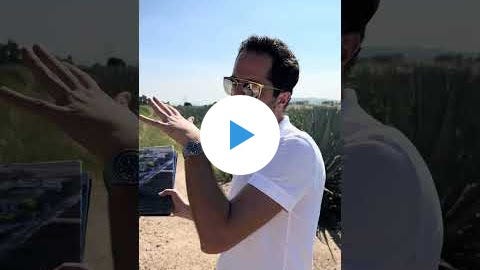
Last week, I stood with Miguel at Herencia de Agaves, reviewing the architectural renderings for House of Rare—his planned barrel-aging facility in Jalisco’s tequila valley. As he walked me through the phased approach, I kept thinking about Kentucky.
Specifically, how the Kentucky Bourbon Trail transformed rural distilleries into a tourism juggernaut that welcomed 2.7 million visitors in 2024. Twenty-five years ago, that number was essentially zero. The distilleries that invested early in experiential infrastructure captured returns that went far beyond selling whiskey.
Miguel is building the tequila equivalent.
Learn more about House of Rare Phase 1 investment →
From zero to 2.7 million
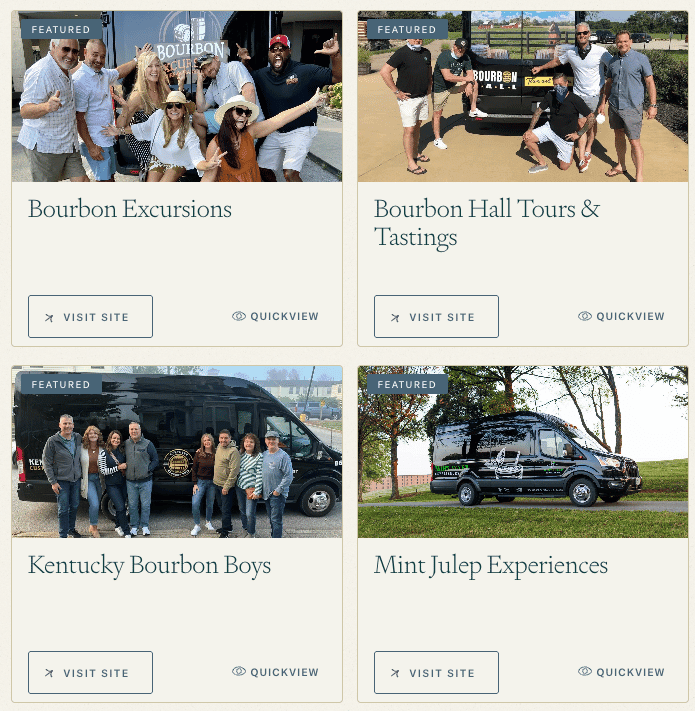
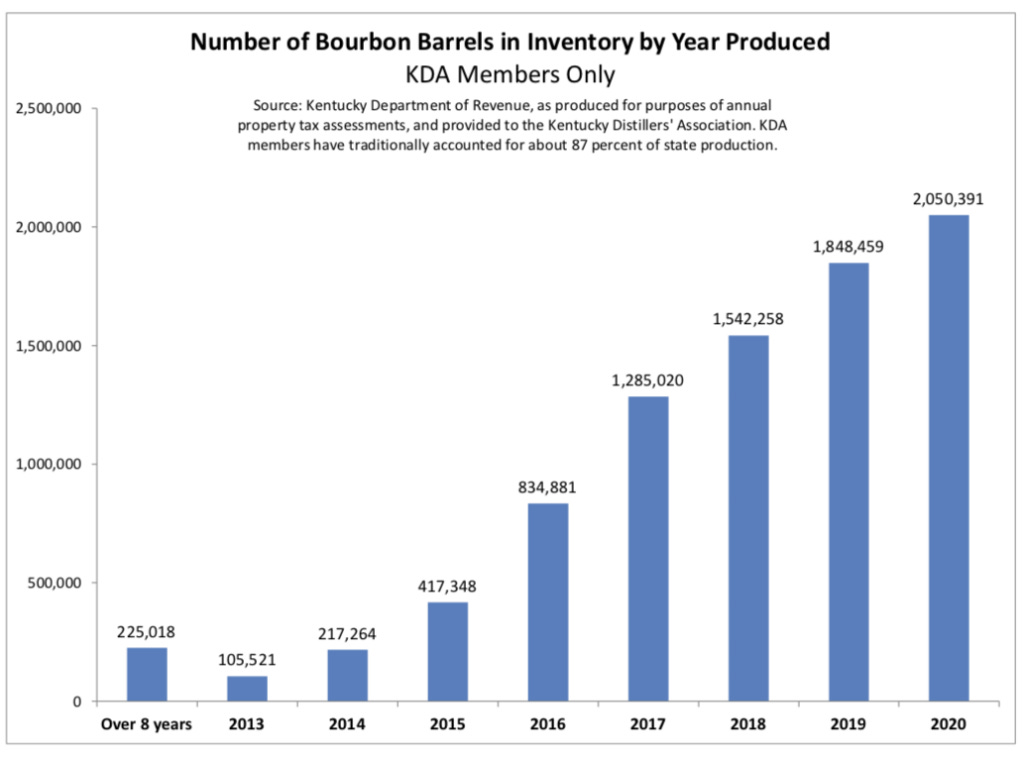
The Kentucky Bourbon Trail launched as something of a Hail Mary in 1999 as a marketing collaboration among a handful of distilleries.
Success was far from sure: Bourbon was declining. The idea that tourists would drive to rural Kentucky to visit warehouses seemed optimistic.
By the early 2010s, the Trail attracted over 1 million visitors annually. By 2023: 2.5 million. In 2024: 2.7 million—sustained double-digit growth over two decades.
Today, Kentucky bourbon is a $9 billion industry. More than 74% of Bourbon Trail visitors travel from out of state. Towns near major distilleries saw property values climb 50-150% over a decade. What started as basic tours became a self-sustaining tourism ecosystem.
A (Heaven) Hill to die on
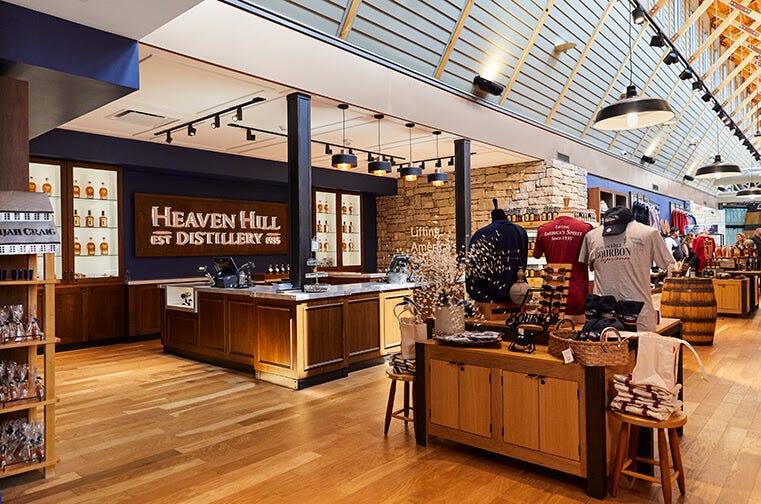
Heaven Hill didn’t build a world-class visitor experience on day one. They validated demand over the years with a modest Bourbon Heritage Center.
Then in 2021: the Heaven Hill Bourbon Experience—a $19 million facility (part of a $125 million multi-year program). It generates millions annually. Tour fees range from basic packages to $50-100+ per person, plus merchandise and direct bottle sales at full retail margin.
Heaven Hill didn’t build this until they had years of operational data proving visitor demand. Validate small, then scale.
Miguel is doing the same thing, except at tequila’s earlier inflection point.
The proof (get it!?!?!?)
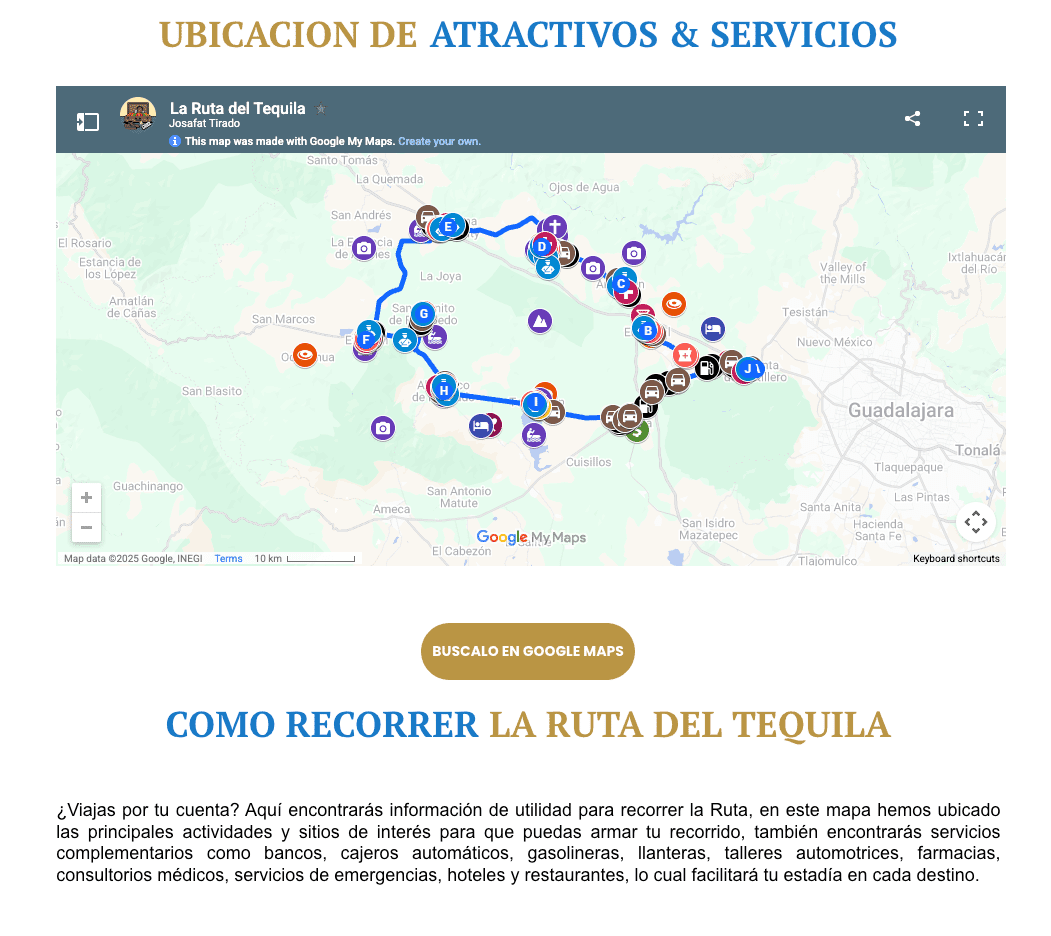
Tequila has its own version of this: La Ruta del Tequila, but it’s--charitably speaking--rather less polished than what Kentucky has mustered.
Kentucky Bourbon (2024): 2.7M visitors, 60+ distilleries, 25 years mature, 10-15% growth
Tequila Jalisco (2023): 1.2M visitors, ~12 distilleries, ~10 years mature, 15-19% growth
Tequila is where bourbon was 10-15 years ago, but growing faster. Global premium tequila demand is forecast at 5-9% CAGR through 2030.
The infrastructure gap is the opportunity. Bourbon has 60+ destinations competing for 2.7M visitors. Tequila has roughly a dozen competing for 1.2M. Limited supply meeting surging demand creates pricing power.
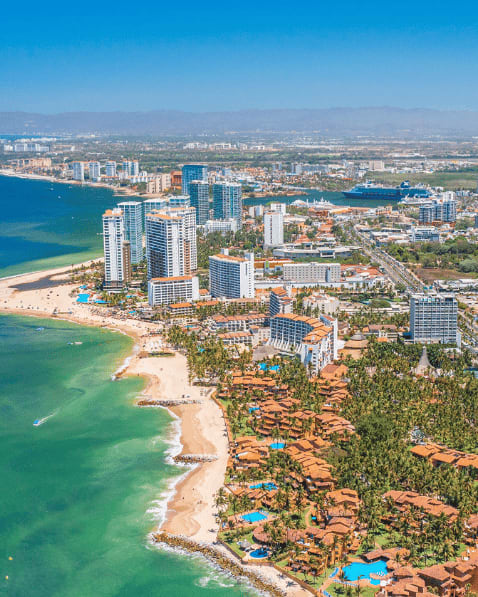
Plus, tequila has a geographic advantage bourbon never had: 3-4 hours from Puerto Vallarta, a major resort attracting millions annually. Built-in tourist pool seeking authentic experiences. Bourbon had to create its visitor base from scratch.
Learn more about House of Rare Phase 1 investment →
Validation
I dug into Miguel’s phased plan at the weekend, but a refresher:
Phase 1 (Q1-Summer 2026): 450 m², 300 barrels. Cost: $550K ($400K investors). Revenue: $80-100K annually from barrel rentals.
Phase 2 (Q3 2026): 750 m², 600 barrels. Built after 6 months of Phase 1 data. Revenue: $240-300K additional. Combined: $320-400K annual recurring.
Phase 3 (Early 2027): 1,250 m², 7 modular units (hotel suites/storage/events). Hotel potential: ~$352K annually. Events: ~$180K annually. Total facility: ~$930K+ annually.
This mirrors Heaven Hill’s approach—validate, then scale—but compressed because tequila tourism is already accelerating.
The virtuous circle
Bourbon proved infrastructure creates value across four vectors:
Operational Revenue: Direct sales capture $50-80 margin per bottle vs. $15-25 wholesale. Some distilleries now generate more from visitor centers than from wholesale.
Brand Value: Experiences justify premium pricing. Someone who toured will pay $60 for a bottle they’d have passed at $45.
Real Estate Appreciation: Properties near major distilleries appreciated 50-150% over a decade.
Ecosystem Benefits: Hotels, restaurants, and tour companies emerge. The anchor tenant captures disproportionate value.
Early bourbon infrastructure investors captured all four simultaneously.
Distilleries that invested in infrastructure in the early 2000s—before bourbon’s mainstream moment—captured the most value. They built when land was cheap. When bourbon’s cultural moment arrived (2010-2015), their infrastructure was operational and generating cash.
Latecomers who waited until 2015-2020 paid premium prices and captured less appreciation.
Tequila is at bourbon’s 2005-2010 inflection point right now.
Visitor growth: 15-19% annually.
Infrastructure undersupplied: 12 distilleries vs. 60+ bourbon.
Global demand surging: 5-9% CAGR.
Cultural moment happening.
Miguel’s Phase 1—$400,000 at preferential equity terms—represents that early-stage window. Once Phase 1 proves the model, later-stage capital will pay higher prices for lower risk.
So what?
Kentucky bourbon taught us that experiential infrastructure generates compounding returns. The key: start small, validate, scale deliberately.
Heaven Hill’s $19 million experience came after years proving demand.
Miguel is following that playbook. Phase 1 validates with $550K. Phase 2 scales on data. Phase 3 adds hospitality after tourism proves out.
The difference: tequila is at its inflection point now. Growing faster than bourbon did. With geographic advantages bourbon never had. With far less competition.
The distilleries that invest early—before the tourist flood—will capture disproportionate value.
That’s what bourbon proved over 25 years. Miguel is offering you the same bet, at tequila’s earlier stage, with downside protection.