

Portem bikinis

Welcome to the WC.
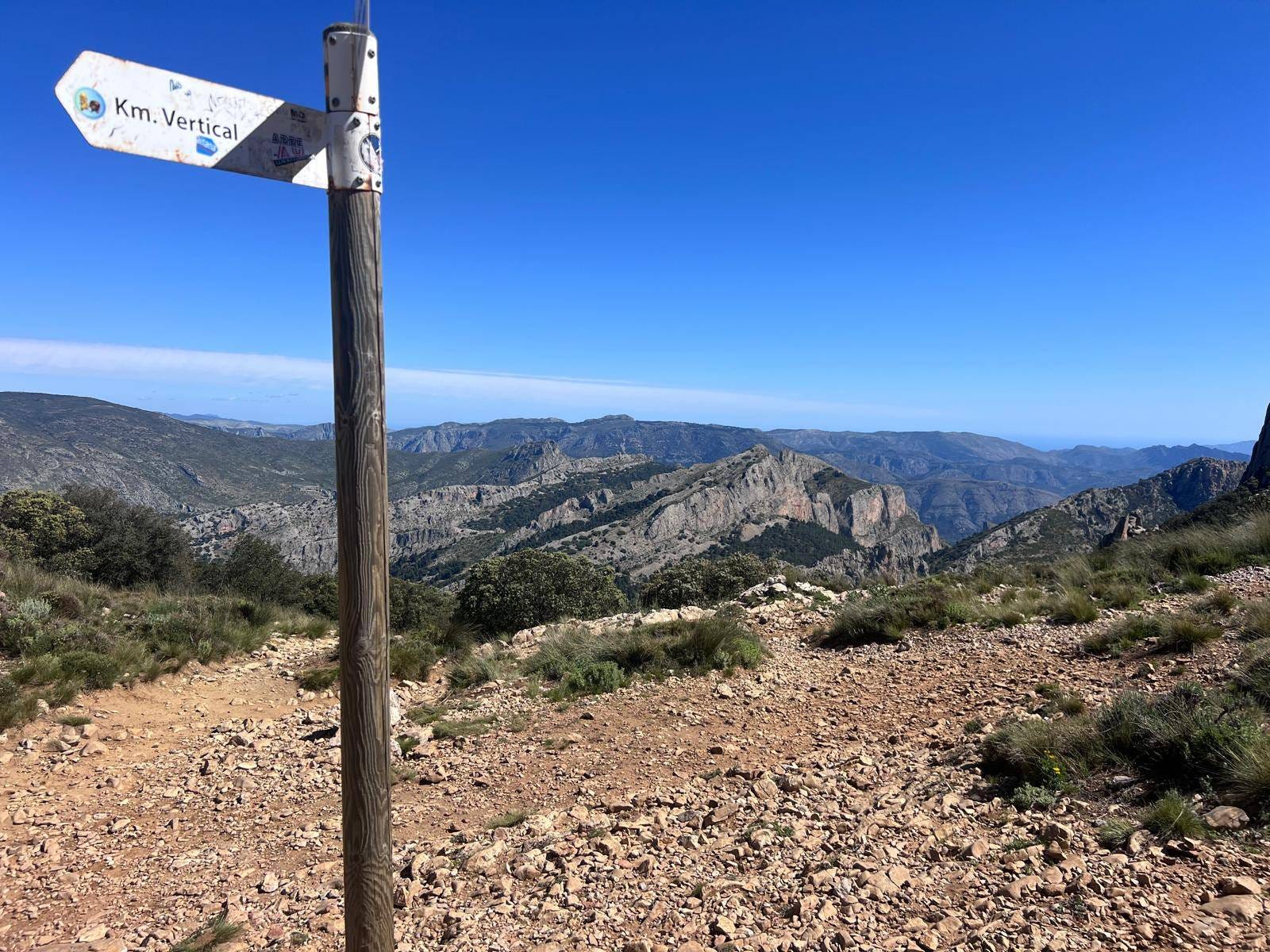
First things first. Many thanks to those who donated to Janie’s Climb, coming up in a fortnight. Grace, my wife, did a practice climb on Monday, and apparently, there’s something called a “vertical kilometer.”
Nevertheless!
Last Sunday, Uliana discussed the difference between Build-to-Rent and Build-to-Own, and we introduced a BTR deal in Valencia. I live forty minutes down the coast in Jávea, and I’ve been watching this market run for years, and it’s an odd one.
There are some things about Spanish property that don’t really make sense. Four in particular:
The homeownership rate, which is structurally far higher than it should be
The coastal premiums, which sit almost perfectly along the regions that Franco tried to erase
Benidorm, which is a forest of 25-story towers and mechanical bulls in a country where almost nothing outside Madrid is more than eight stories tall.
The okupa problem, where squatters get more legal protection than they do anywhere else in Western Europe
All four have the same explanation, and it isn’t market forces. It’s a war that ended 87 years ago, and the regime that won it.
Nothing here is investment advice. Do your own research. Please.
Let’s go
Four things about Spanish property that don’t make sense
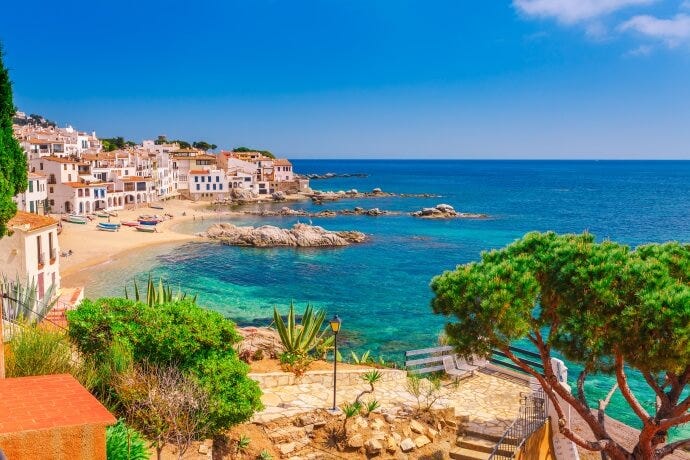
Spain’s property market has been on fire since the GFC. Many, many people have bought increasingly expensive homes here (including me), but it’s an undeniably weird market.
And it all has to do with a war most people outside the Iberian Peninsula forget happened.
The Spanish Civil War was unlike any other modern war.
It ended in 1939, comprehensively. The losing side was killed, exiled, or silenced. The winners stayed in power for the next 36 years, and they had very specific ideas about how to put Spain back together.
The property market is one of the cleanest places to see those ideas at work.
Start with the homeownership rate.
At the start of the 2010s, almost 8 in 10 Spaniards owned their home. The figure has slid to around 74% today, but the structure that produced it is mostly still intact.
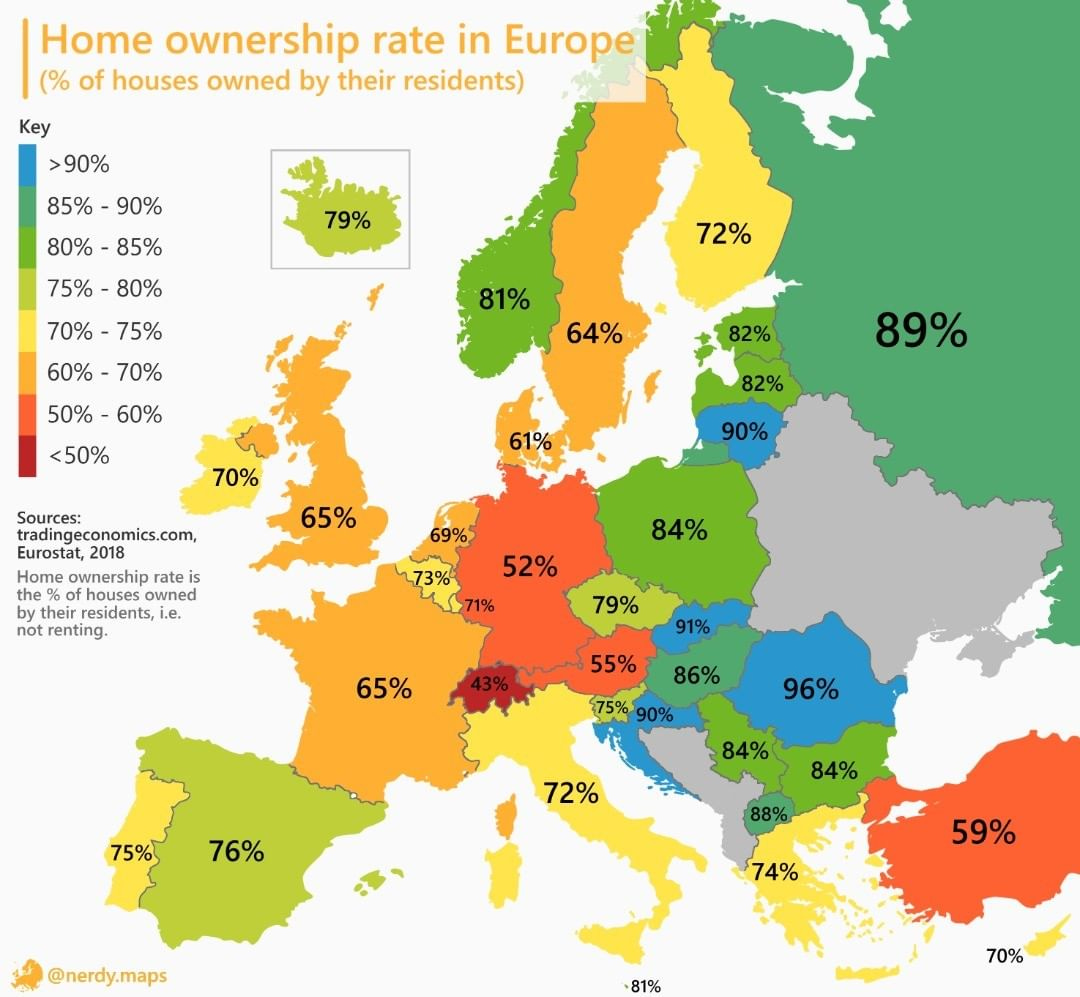
Meanwhile, public housing in Spain accounts for less than 2% of total stock. The European average is around 9%. Austria runs at 25%.
Why? Because Spain literally was built to own.
In 1957, Franco created a Ministry of Housing for the first time and handed it to a Falangist called José Luis de Arrese.
Arrese had a clear view. In his own words, rental housing was for “situations of transit or indigence.” Ownership was the proper condition for a Spaniard.
He had the tools to make that real. The ministry subsidised private developers for up to 60% of their build costs. It gave them 90% tax breaks for two decades if they sold rather than rented the finished flats. The state-owned Banco Hipotecario started writing mortgages to working-class buyers that no private bank would touch.
Between 1961 and 1976, the Second National Housing Plan used these instruments to build four million flats.
The result moved fast. Around one in twenty Madrileños owned their home in 1950. By 1970, seven in ten Spaniards did.
The trend persists today.
Have a look at the home sale to rental ratio in valencia.
For sale: 3,366 homes
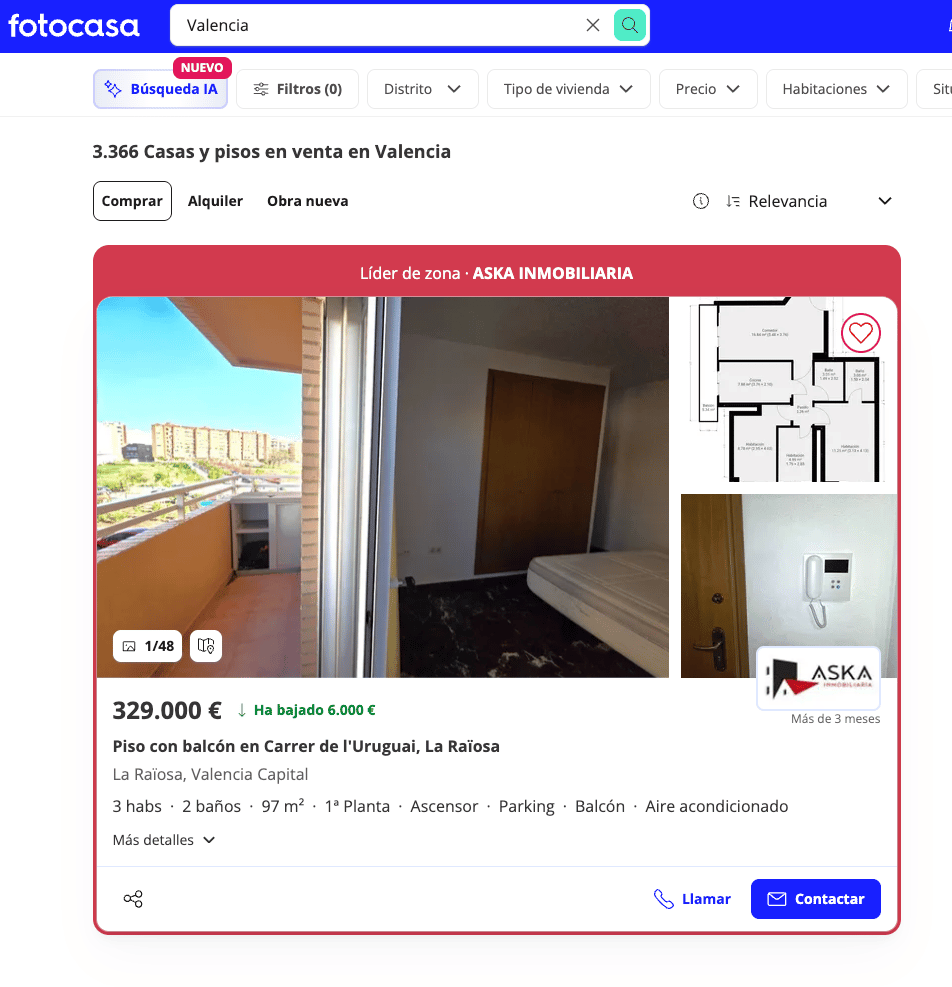
For rent: 1,760 homes
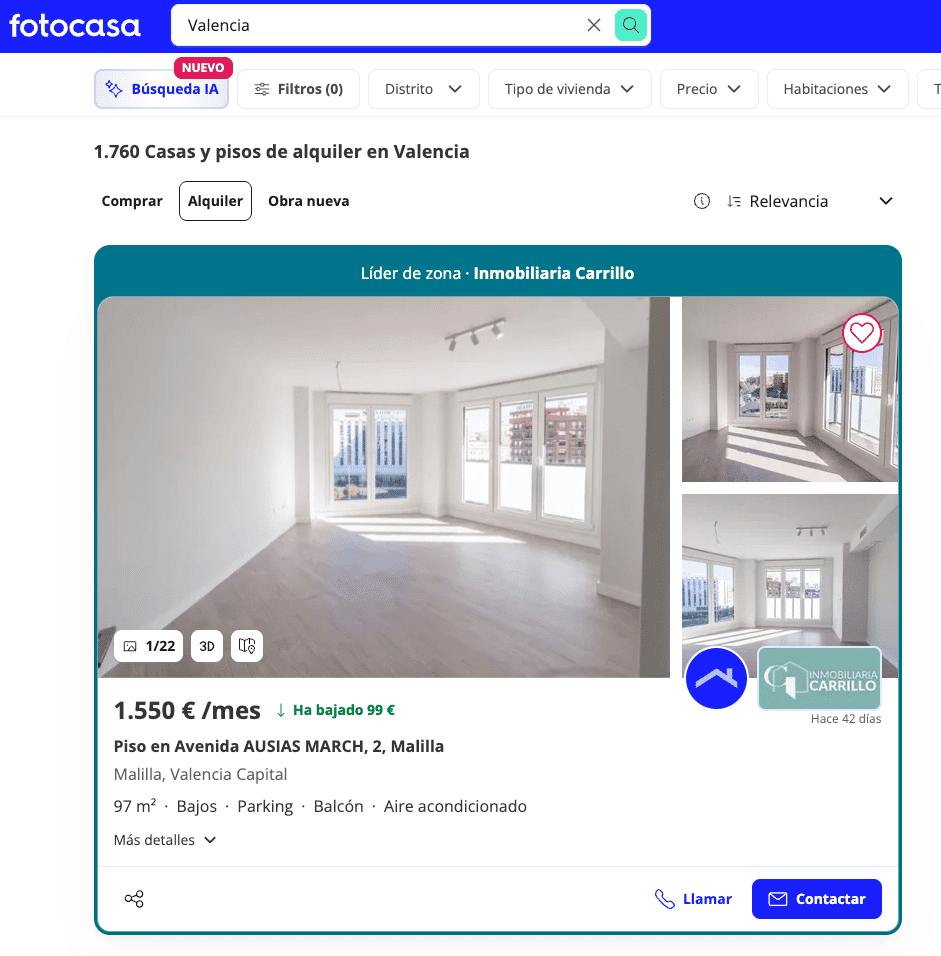
Nearly twice as many homes for sale as homes for rent for a ratio of 1.91.
Now I’ve picked a random popular American city, Raleigh, NC.
Homes for sale: 2,270
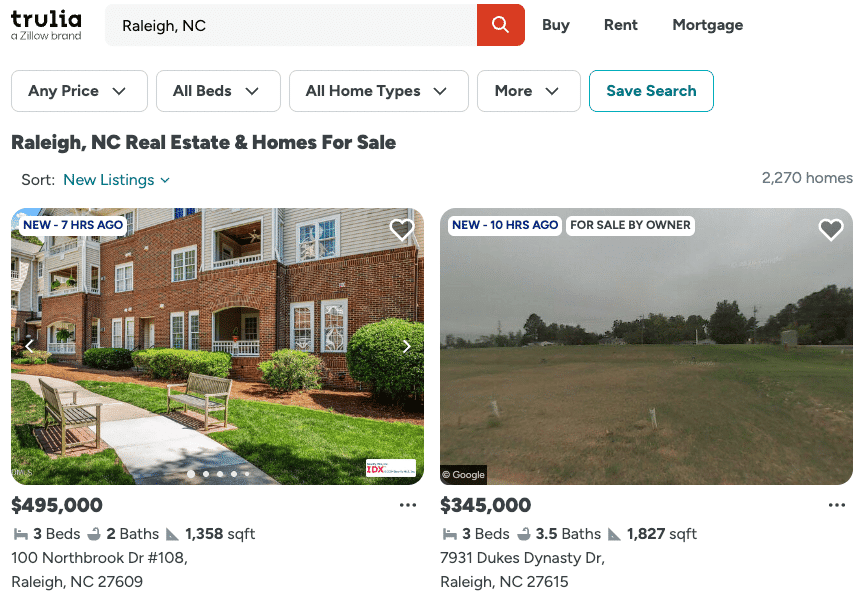
Homes for rent: 1,858
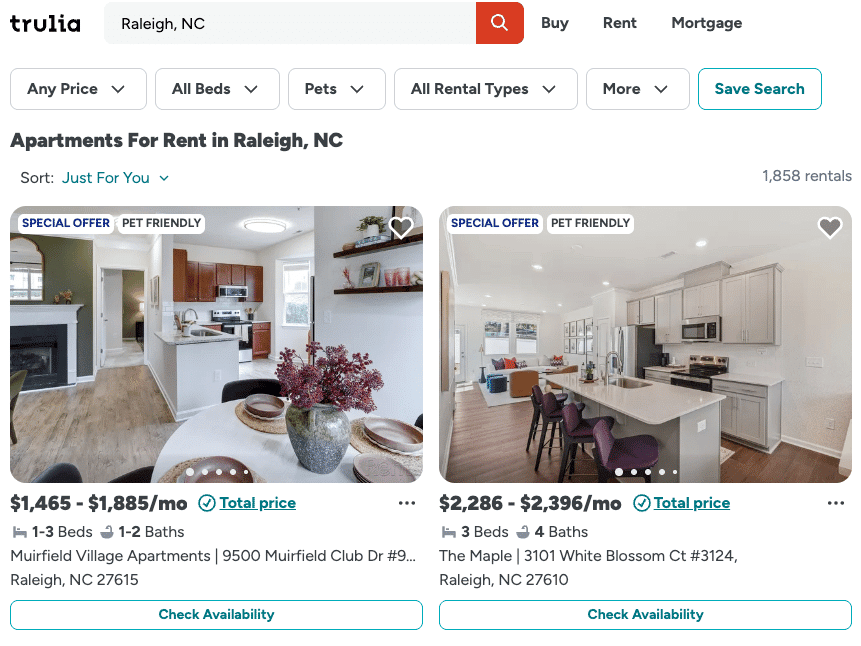
A ratio of around 1.2:1 in the popular North Carolina town.
I checked a few others:
Reno, NV: 981 for sale, 642 rentals (1.5 ratio)
Chicago, IL: 4,597 for sale, 10,242 for rent (0.45 ratio)
Santa Barbara, CA: 188 for sale, 432 rentals (0.44 ratio)
In America, you see many markets where rentals outpace homes for sale.
Even Madrid boasts 10,033 homes for sale vs only 8,749 for rent.
Now, the geography of premium property.
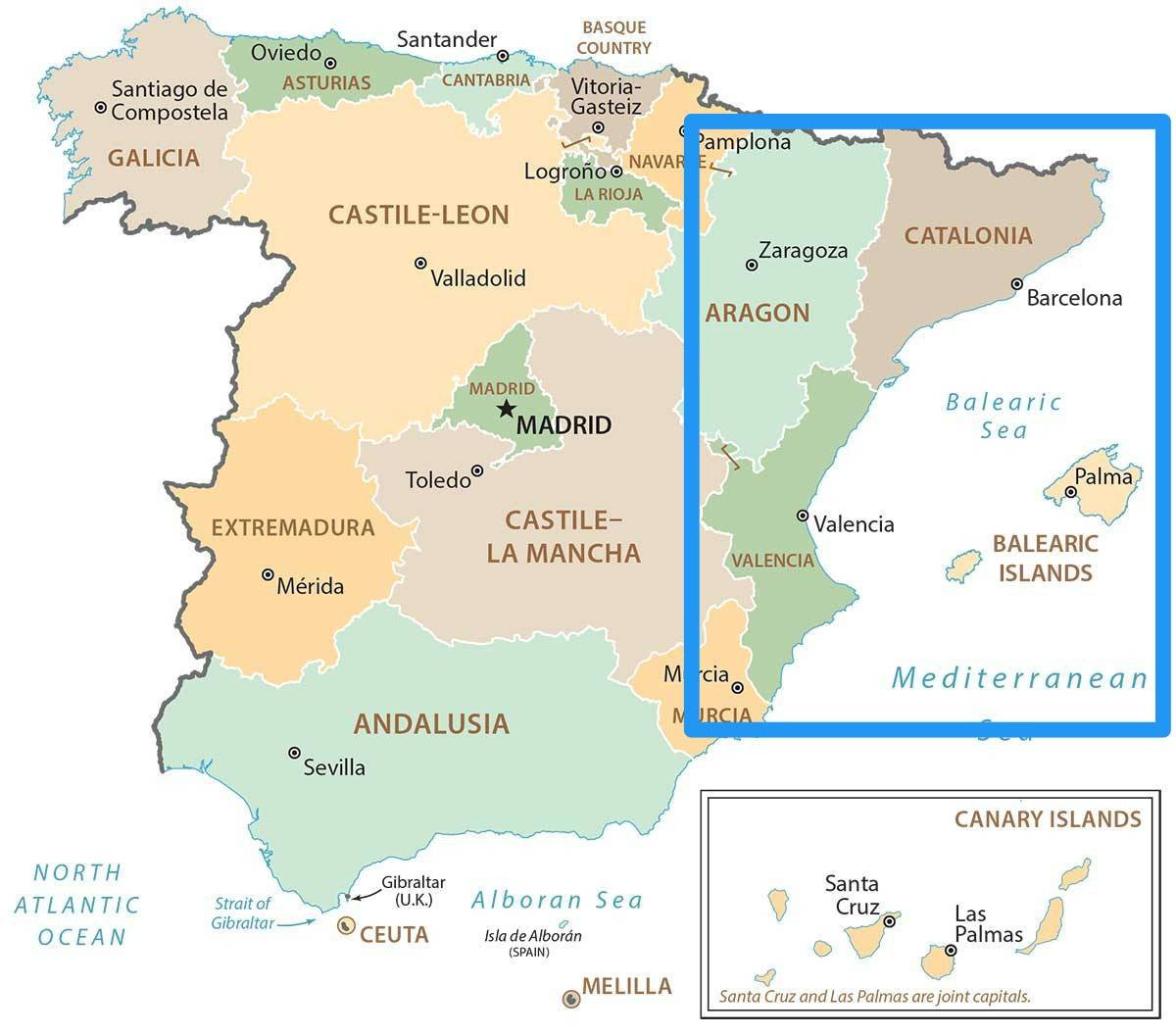
The priciest coastline in Spain runs through three regions:
The Catalan coast, around Barcelona and the Costa Brava
The Valencian coast, from the city down to the Costa Blanca
The Balearic Islands
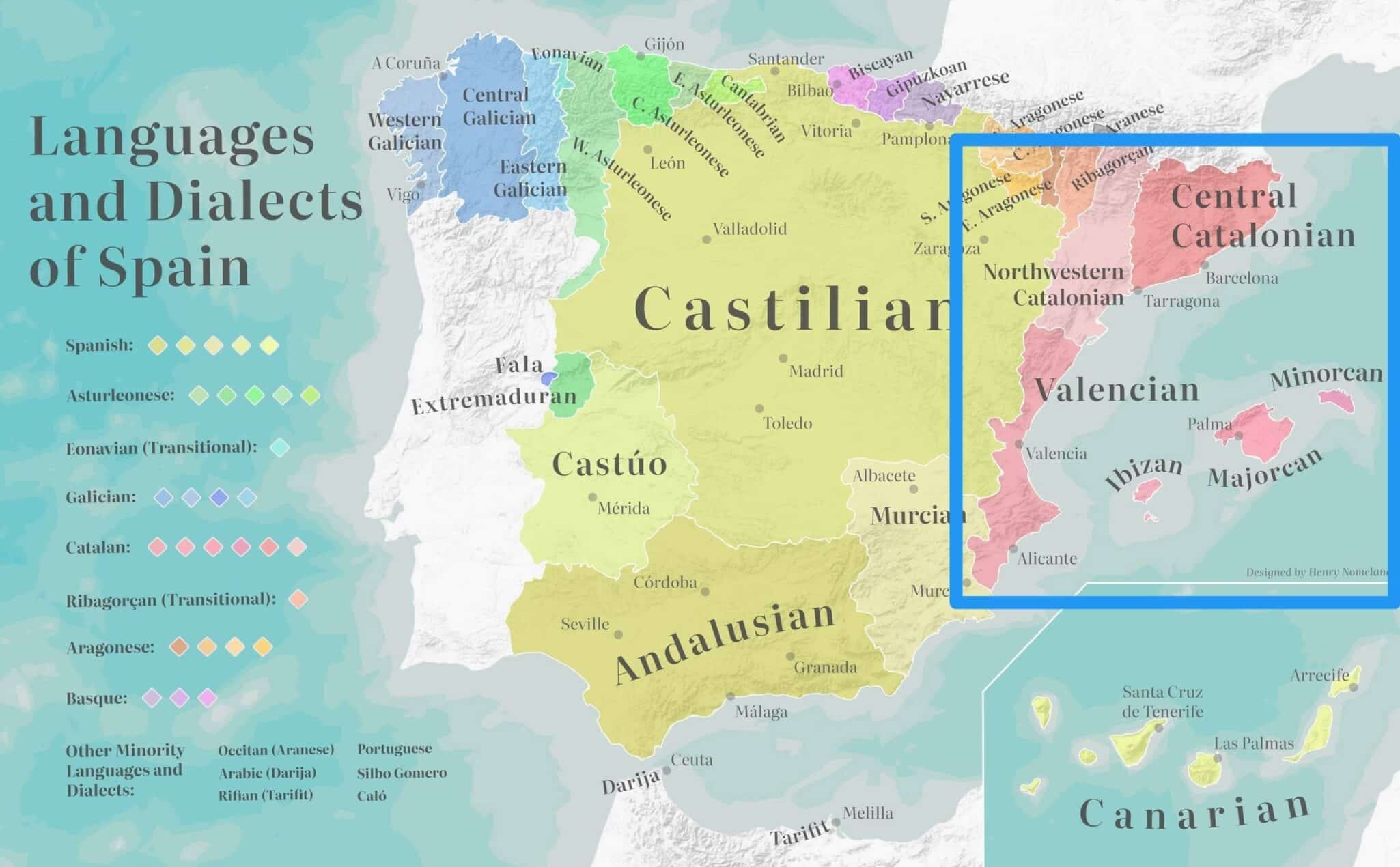
These three regions share more than just a coastline: they each spoke their own distinct languages prior to the Civil War and were major threats to the fascist regime.
Catalonia was Spain’s industrial heartland from the 1800s onwards.
Valencia was its most productive agricultural region for centuries.
The Balearics ran a tourism economy before mass tourism was a thing.
All three were trading more heavily with France and Italy than with Madrid for most of their modern history.
They were richer, more outward-facing, and culturally distinct from the Castilian core.
That’s also why they fought hardest against the Nationalists during the Civil War--Catalonia held out the longest, and Valencia hosted the Republican government for nearly a year.
The Nationalists treated the regional languages -- Catalan, Valencian, Mallorquín -- as a political threat and banned them from public life from 1939 until 1975.

While Franco couldn’t change the underlying economics of the powerful communities, he could suppress the languages.
Joan Manuel Serrat was not allowed to sing La La La in Catalan for the Eurovision Song Contest 1968 since it was forbidden to sing in non-official languages from 1966 to 1973 in the contest and, unwilling to sing it in Spanish, was replaced by Massiel, who won the contest.
After Franco’s death in 1975, the languages returned, foreign capital came back, and tourism scaled up.
Today, speaking the indigenous languages is a point of pride and a big Vés a fer la mà to Franco.
And it’s why my kids are required to learn Valenciano at school.
Though, update and brief aside. Skip this if you’re not interested in the languages issue
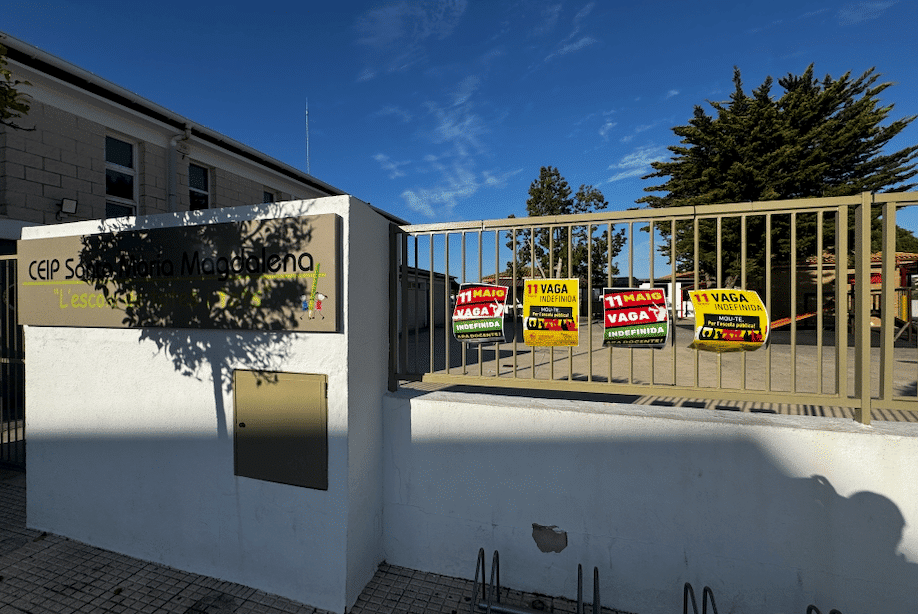
All teachers in the Valencian community are on indefinite strike as of Monday 11 May demanding lots of normal teacher things (more money, more teachers, fixed infrastructure, and so on. But they’re also demanding the repeal of Ley 1/2024, which gives families the right to choose whether their child is taught primarily in Valencian or Castilian Spanish. It means Valencian is no longer a mandatory requirement for teachers unless they are actually teaching a subject through that language. For all other staff, it counts only as a merit point, not a prerequisite.
So anyway my kids are playing dodgeball and Nintendo for a few weeks until this is sorted out.
Then there’s Benidorm.
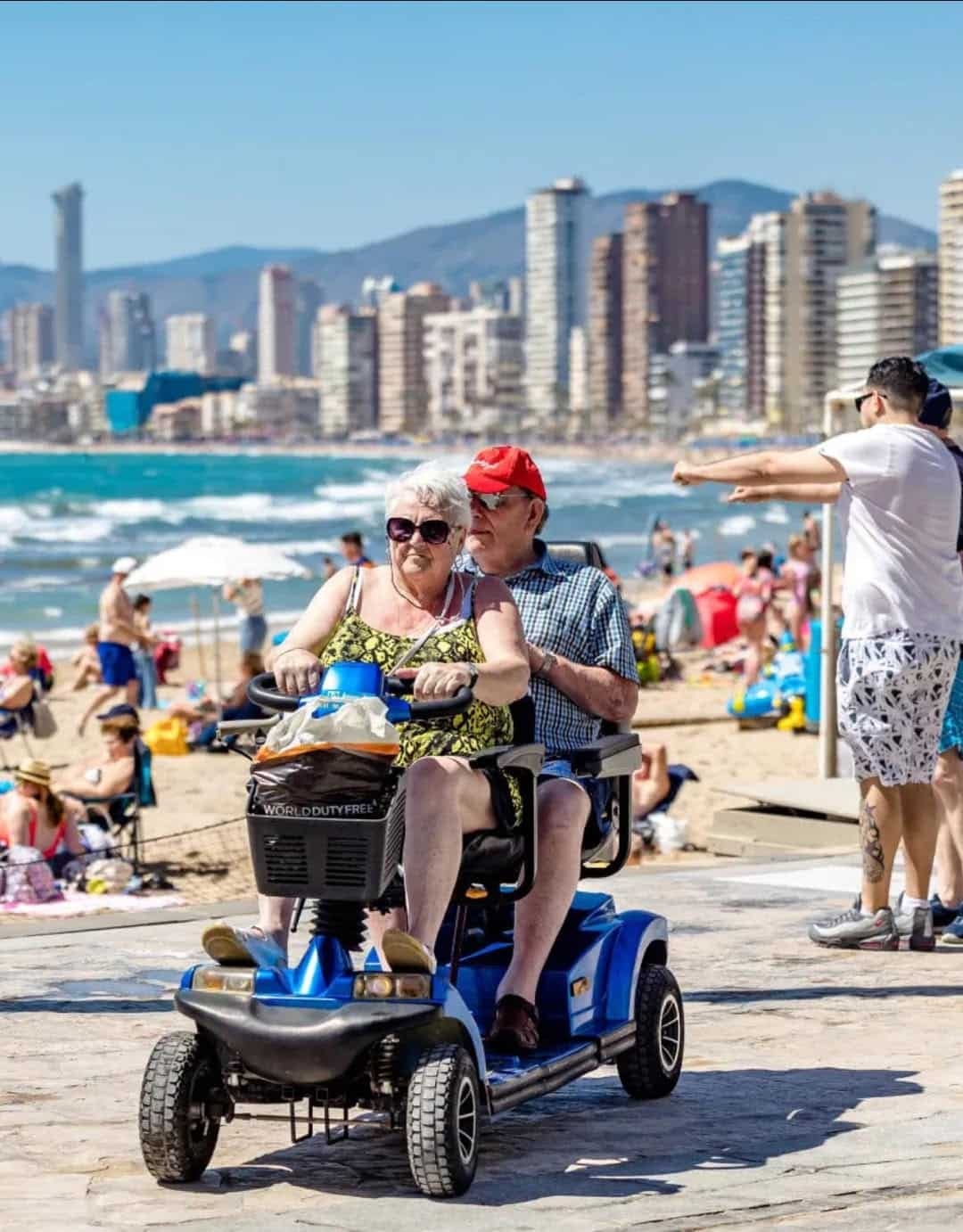
In 1950, Benidorm had about 2,500 inhabitants, most of them fishermen. The mayor at the time was a man called Pedro Zaragoza Orts.
Zaragoza saw a Northern European tourist economy coming and decided to position Benidorm to absorb it. He had two problems.
The first was zoning. Spanish urban planning at the time kept buildings low and horizontal. Mass tourism needs vertical density. In 1954 Zaragoza pushed through the Plan de Ordenación de Benidorm, which redefined plot rules by volume rather than square metres. Translation: build as tall as you want, as long as you leave open space around the buildings.
The second was the Catholic Church. Zaragoza wanted bikinis on the beach. The local bishop threatened to excommunicate him for it.
So in 1959, Zaragoza stuffed a few newspapers under his shirt for warmth, got on a Vespa, and drove nine hours to Madrid to put his case directly to Franco.
Franco, apparently amused by the small mustachioed man with motor oil on his trousers, took his side. Carmen Polo, Franco’s wife, visited Benidorm a week later. The bishop backed down.
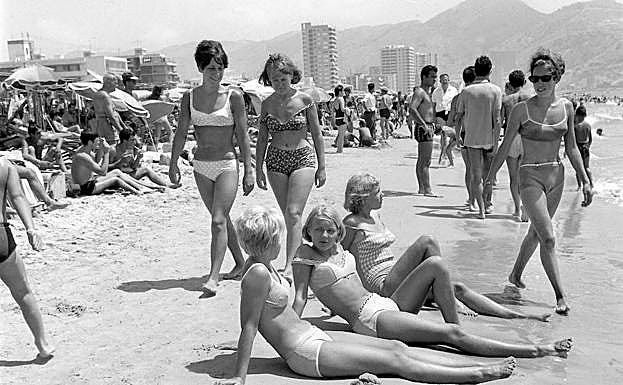
That was the moment Spanish mass tourism was born.
The vertical zoning meant Benidorm could absorb foreign tourists by the millions. The bikini blessing meant Northern Europeans actually wanted to come. Package holidays followed in the 1960s.
Today, Benidorm has more high-rises per capita than any city in Europe and pulls 2.7 million tourists a year against a permanent population of about 75,000.
The British-tourist version of the place -- the Sticky Vicky shows, the ITV sitcom, the Saturday night chaos -- traces back to a small-town mayor who rode a scooter to Madrid in 1959 to get the dictator’s permission for bikinis.
And finally, the okupa problem.
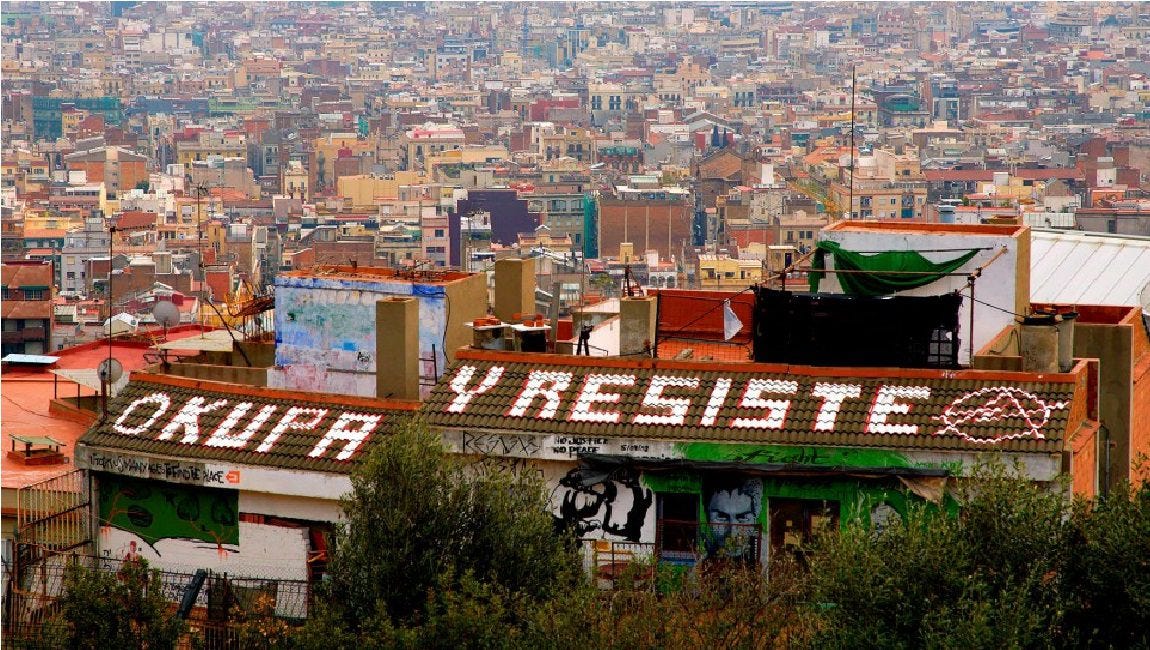
Spain has one of Europe’s worst squatter situations. The Ministry of the Interior recorded 16,426 cases of illegal occupation in 2024. About 45 a day. Catalonia accounted for nearly half. Barcelona alone reported over 5,000.
The loophole is found in Article 47 of Spain’s Constitution, which guarantees every citizen the right to “decent and adequate housing.” Once an occupier has established residence in an empty flat, eviction historically ran through civil courts and took up to 24 months.
A new law came into force in April 2025 letting police evict break-in occupiers within 48 hours, with fast-track rulings inside 15 days. That fixes the most visible version of the problem.
But it does not fix the inquiokupa. An inquiokupa is a tenant who signs a lease, stops paying rent, and refuses to leave. Because they entered legally, the new fast-track law doesn’t apply. Recovery still runs through civil courts, and it still takes years to boot them out.
Okupas tie back to José Luis de Arrese, who thought renting was a temporary and evil state of affiars. That everyone should have a home.
Because of that, Spain doesn’t really have a rental sector.
The Franco-era policy that turned working-class Spaniards into owners in the 1960s never built institutional landlords, so when 2008 hit, around 600,000 foreclosures dumped empty stock into bank hands. SAREB, the Spanish bad bank, took most of it, but the bankers didn’t want to be landlords, and the properties sat empty. The okupa movement filled the gap.
Spain was built to own. When ownership broke, the country had no working second option.
So should you invest in Valencian Real Estate?
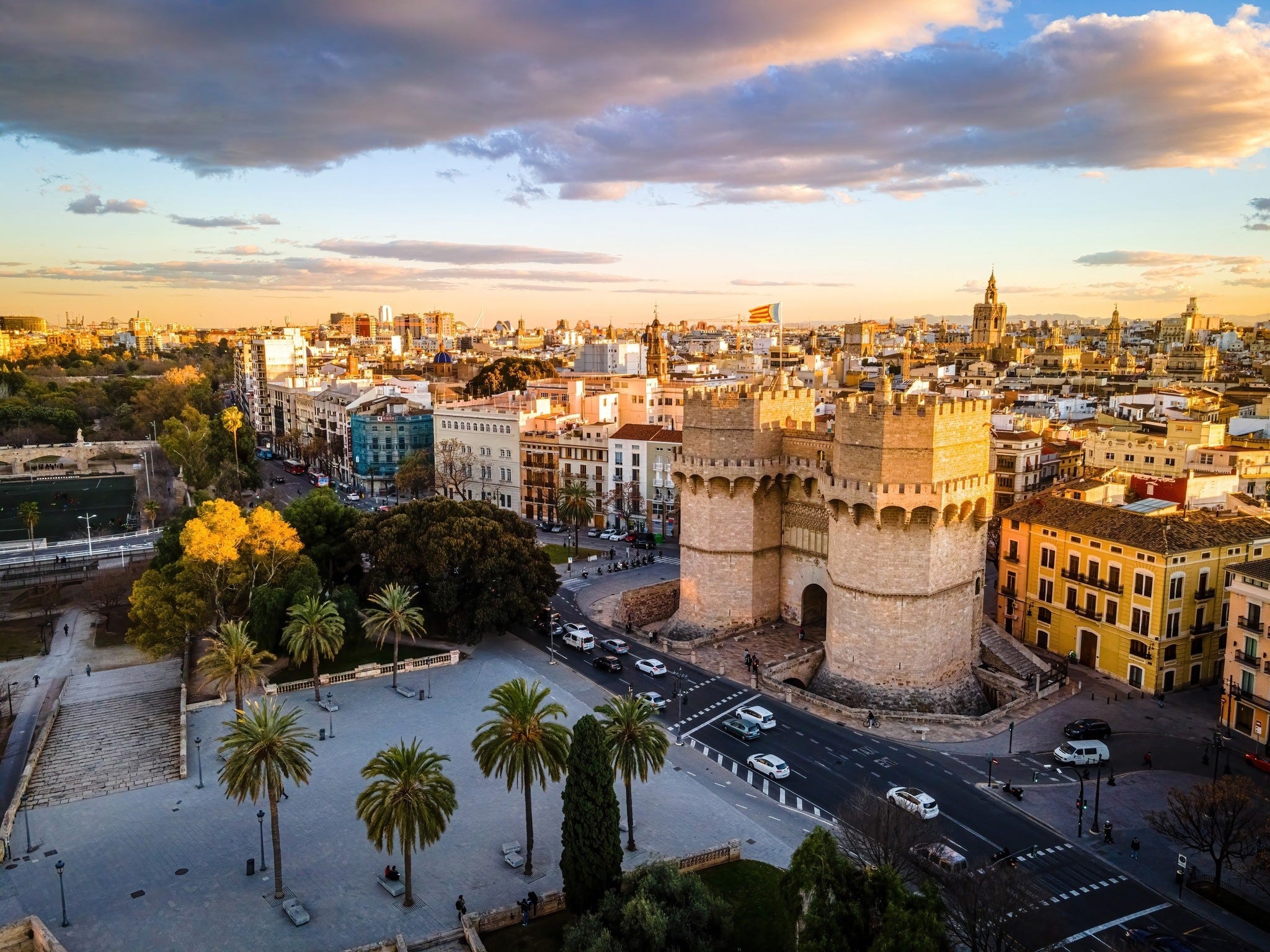
If you want to learn more about the project in La Malva-rosa, Valencia, express interest here.
You can probably see why a piece on Spanish property history ends with a BTR pitch.
The whole reason BTR is a viable strategy in Spain in 2026 is because the rental sector that should exist doesn’t. Less than 2% of Spanish housing is public. Institutional rental is a fraction of the European average. The Franco-era ownership doctrine created a structural gap that’s been visible since the 2008 crash and is now driving prices, displacement, and politics in roughly equal measure.
BTR, in part, is the market filling that gap. Institutional landlords building rental supply where Franco’s policy guaranteed there would never be any. The macro tailwind isn’t priced into a 20-year cashflow model. It’s priced into the absence of competition.
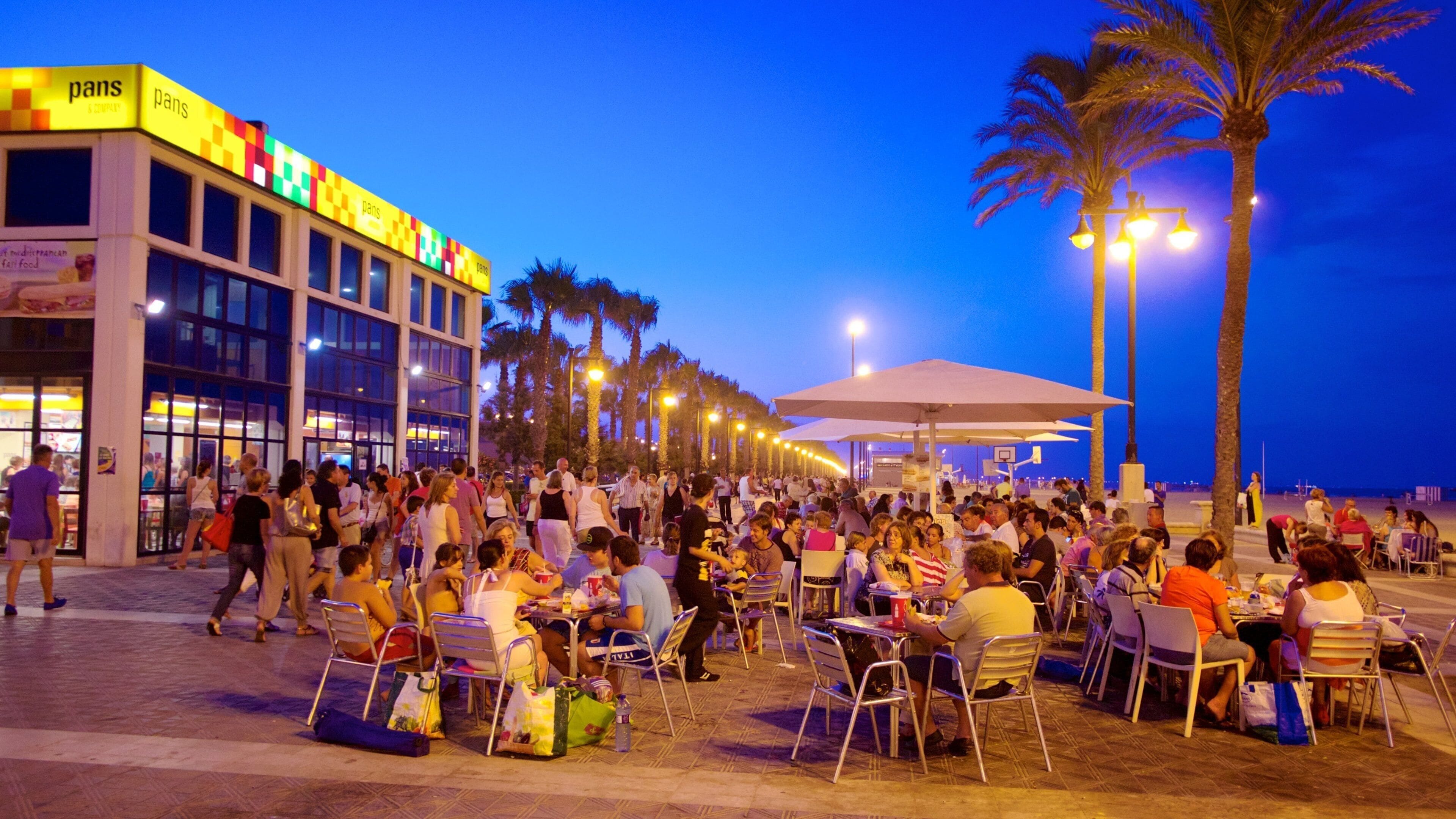
The fact that the project sits in La Malva-rosa, Valencia’s beachfront district, on a coastline that has appreciated more than 20% year-on-year, isn’t an accident either.
That’s all for this week; I hope you enjoyed it.
Cheers,
Wyatt
 |
|